Severe tooth pain, lingering sensitivity or swelling near a tooth can be signs of an infection inside the tooth. Root canal therapy is designed to relieve pain, remove infection and help save your natural tooth whenever possible. At the North Canton dental office of Dr. Julie Thomas, we provide root canal therapy for patients from North Canton, Canton and nearby Stark County communities who need answers and relief.
If you have a toothache that will not go away, pain when biting, sensitivity that lingers after hot or cold foods, or swelling near the gums, do not wait for the problem to worsen. Our dentist can evaluate your tooth, explain what is causing your symptoms and help you understand whether root canal therapy is the right next step. Call 330-244-9081 to schedule an evaluation.
Root Canal Treatment Near Canton and North Canton
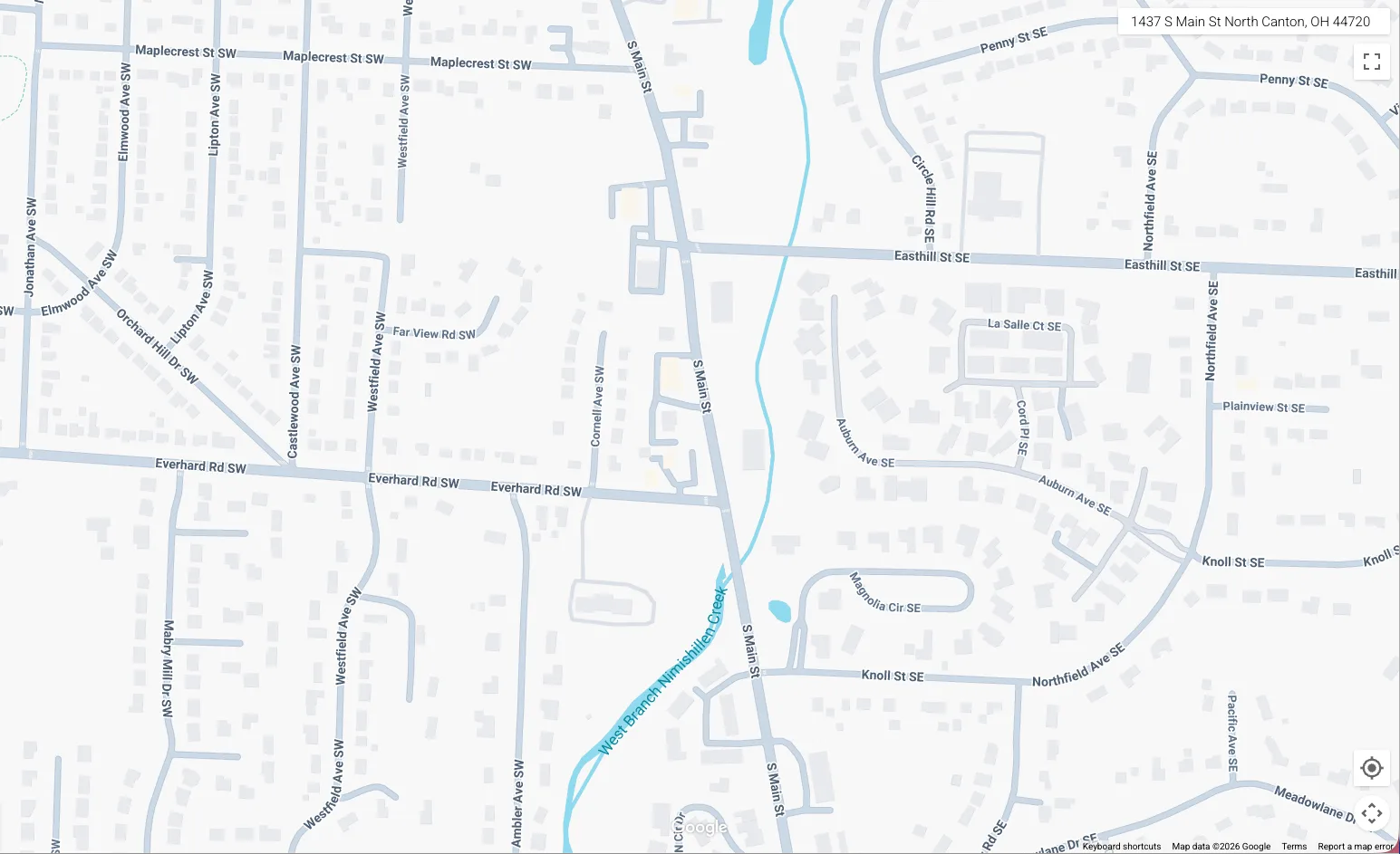
Our office is located at 1437 S. Main St. in North Canton, making care convenient for patients searching for root canal therapy near Canton, North Canton, Belden Village, Plain Township and surrounding areas. Dr. Julie Thomas has practiced in North Canton since 1992 and opened her current South Main Street office in 2003.
When you are in pain, you need clear guidance and compassionate care. Dr. Julie Thomas completed an advanced general dentistry residency at The Ohio State University and provides restorative care that supports both comfort and long-term tooth function. When appropriate, treatment may be completed the same day, depending on the tooth, infection, schedule and restoration needs.
What Is Root Canal Therapy?
Root canal therapy treats infection or inflammation inside a tooth. The inside of each tooth contains pulp, which includes nerves, blood vessels and soft tissue. When the pulp becomes infected because of deep decay, a crack, trauma or repeated dental work, it can cause significant pain and may lead to an abscess if left untreated.
During root canal treatment, the infected or inflamed pulp is removed, the inside of the tooth is cleaned and disinfected, and the canals are sealed to help prevent reinfection. The goal is to stop the source of pain while preserving the natural tooth structure. Afterward, the tooth is restored with a filling or crown, depending on how much strength and protection it needs.
Signs You May Need a Root Canal
Not every toothache requires root canal therapy, but certain symptoms should be evaluated promptly. You may need root canal treatment if you notice:
- Persistent tooth pain that does not go away
- Pain when chewing, biting or touching the tooth
- Sensitivity to hot or cold that lingers after the source is gone
- Swollen, tender or irritated gums near one tooth
- A small pimple-like bump on the gums
- Darkening or discoloration of a tooth
- A cracked, broken or deeply decayed tooth
- A tooth that feels high or different when you bite
These symptoms may mean the nerve inside the tooth is inflamed or infected. Early evaluation may help you avoid extraction and more complex tooth replacement later.
Why Saving Your Natural Tooth Matters
When possible, saving your natural tooth is usually better than removing it. A natural tooth helps maintain your bite, supports normal chewing and prevents nearby teeth from shifting. Root canal therapy can allow you to keep the tooth while removing the infection that is causing pain.
If a tooth cannot be saved, tooth extraction may be necessary. However, replacing a missing tooth may involve additional treatment, such as a dental implant, bridge or partial denture. Root canal therapy can often be the more conservative path when the tooth has enough healthy structure to restore.
What to Expect During Root Canal Therapy
Your visit begins with an exam and dental X-rays so we can identify the source of your pain and evaluate the tooth's roots and surrounding bone. We will also talk with you about your symptoms, health history and any concerns you have before treatment begins.
Local anesthetic is used to numb the area so you can stay comfortable during care. Once the tooth is numb, the infected or inflamed pulp is removed from inside the tooth. The canals are carefully cleaned, shaped, disinfected and sealed. A temporary or final restoration may be placed depending on your treatment plan.
Many patients worry that root canals are painful, but the purpose of treatment is to relieve pain, not cause it. You may feel pressure during the appointment and some tenderness afterward, but most patients are relieved to have the source of infection addressed.
Will You Need a Crown After a Root Canal?
Some teeth need a crown after root canal therapy to restore strength and protect against fracture. This is especially common for back teeth because molars and premolars handle more chewing pressure. Front teeth may sometimes be restored with a filling if enough healthy structure remains.
Dr. Thomas will explain whether a dental crown or filling is recommended after your root canal. Restoring the tooth properly is an important part of long-term success because it helps seal and strengthen the treated tooth.
Benefits of Root Canal Therapy
Root canal therapy can protect your health, comfort and smile when a tooth is infected or severely inflamed. Benefits may include:
- Relief from tooth pain caused by infection or inflammation
- Removal of infected tissue from inside the tooth
- Preservation of your natural tooth when possible
- Protection for nearby teeth and gum tissue
- Support for normal chewing and bite alignment
- A more conservative alternative to extraction in many cases
- Restored tooth strength with the right filling or crown
If you are comparing root canal therapy with tooth removal, our team can explain the pros, cons and long-term impact of each option.
Root Canal Therapy vs. Tooth Extraction
Patients sometimes ask whether it is better to remove a painful tooth instead of saving it. The right answer depends on the condition of the tooth, the amount of remaining structure, the severity of infection and your long-term goals. If the tooth can be predictably restored, root canal therapy may allow you to keep your natural tooth.
If the tooth is cracked below the gumline, severely damaged or unable to support a restoration, extraction may be the healthier choice. In that case, we can discuss tooth replacement options such as dental implants or other restorative dentistry solutions.
Recovery After Root Canal Treatment
Mild soreness or tenderness is common after root canal therapy, especially if the tooth was painful before treatment. This usually improves within a few days. You may be advised to avoid chewing hard foods on the treated tooth until the final restoration is placed.
Continue brushing and flossing as directed, and keep any follow-up appointments so we can monitor healing and complete the restoration if needed. If pain worsens, swelling increases or your bite feels uncomfortable after treatment, contact our office for guidance.
Why Choose Dr. Julie Thomas for Root Canal Therapy?
Root canal treatment requires careful diagnosis, comfort-focused care and a plan for restoring the tooth afterward. Dr. Thomas has cared for patients in North Canton for more than three decades and brings advanced general dentistry training to treatment planning. Our goal is to relieve discomfort, preserve your tooth when possible and help you feel confident about your care.
Our office welcomes patients from North Canton, Canton and surrounding Stark County communities who need evaluation for tooth pain, infection or possible root canal therapy. Before your visit, you can explore our patient reviews, review financial options or contact us through our contact page.
Frequently Asked Questions About Root Canal Therapy
Does a root canal hurt?
Root canal therapy is performed with local anesthetic to keep the area numb. Most patients feel pressure rather than sharp pain during treatment. Because root canal therapy removes infected or inflamed tissue, it is often the treatment that relieves the toothache rather than the cause of discomfort.
How do I know if I need a root canal?
You may need a root canal if you have lingering sensitivity, severe tooth pain, swelling, a gum bump, pain when biting or a tooth that has darkened after trauma. An exam and X-rays are needed to confirm the cause of your symptoms and determine the best treatment.
How long does root canal treatment take?
The length of treatment depends on the tooth and complexity of the infection. Some appointments may take about 60 to 90 minutes, but more complex cases can require additional time. When appropriate, treatment or restoration steps may be completed the same day.
Will I need a crown after a root canal?
Many back teeth need a crown after root canal therapy because they handle heavy chewing pressure and are more likely to fracture. Some front teeth may only need a filling. Our dentist will recommend the restoration based on the tooth's location and remaining structure.
What happens if I delay root canal therapy?
Delaying treatment can allow the infection to worsen, spread to surrounding tissues or damage the bone around the tooth. In some cases, waiting too long can make the tooth harder or impossible to save. Prompt evaluation gives you the best chance of preserving your natural tooth.
What are the alternatives to root canal therapy?
The most common alternative is tooth extraction. However, removing a tooth creates a new concern because the missing tooth may need to be replaced with an implant, bridge or partial denture. If the tooth can be restored, root canal therapy may be the more conservative option.
Do you see patients from Canton for root canal therapy?
Yes. Our office is located in North Canton and welcomes patients from Canton, Belden Village, Plain Township and nearby Stark County communities. Patients searching for root canal therapy near Canton, OH can schedule an evaluation with Dr. Julie Thomas.
Schedule Root Canal Therapy in North Canton, OH
Tooth pain, swelling and lingering sensitivity should not be ignored. If you think you may need root canal therapy in North Canton, OH, or you are looking for root canal treatment near Canton, our team is here to help. Call 330-244-9081 or visit our contact page to schedule an evaluation with Dr. Julie Thomas.